
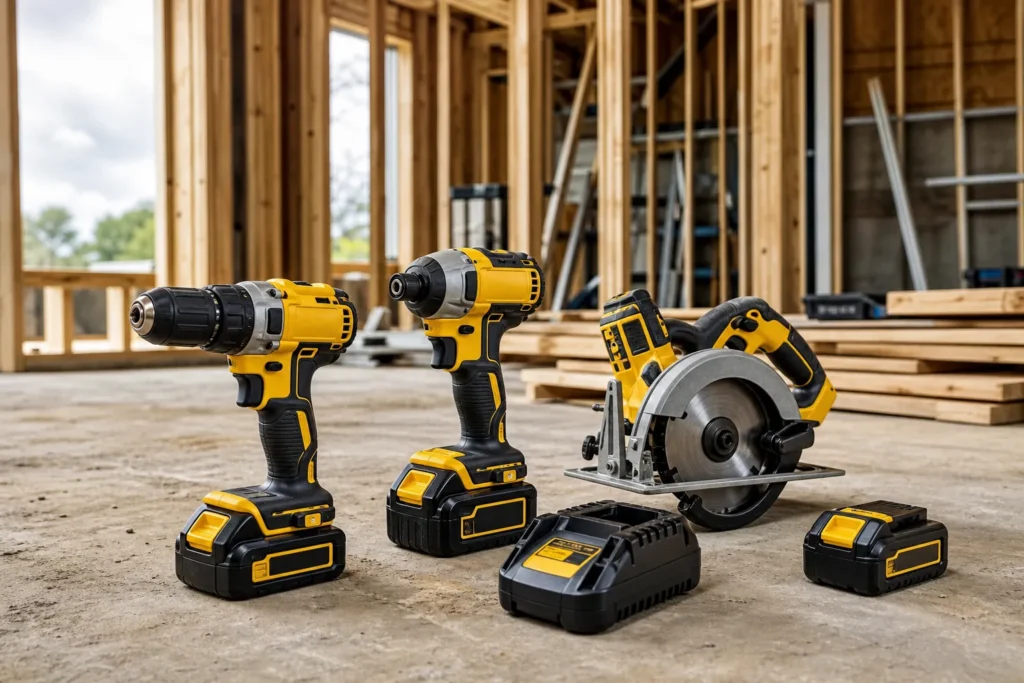
The Benefits of Lithium Battery Tools for Contractors: Efficiency & Performance
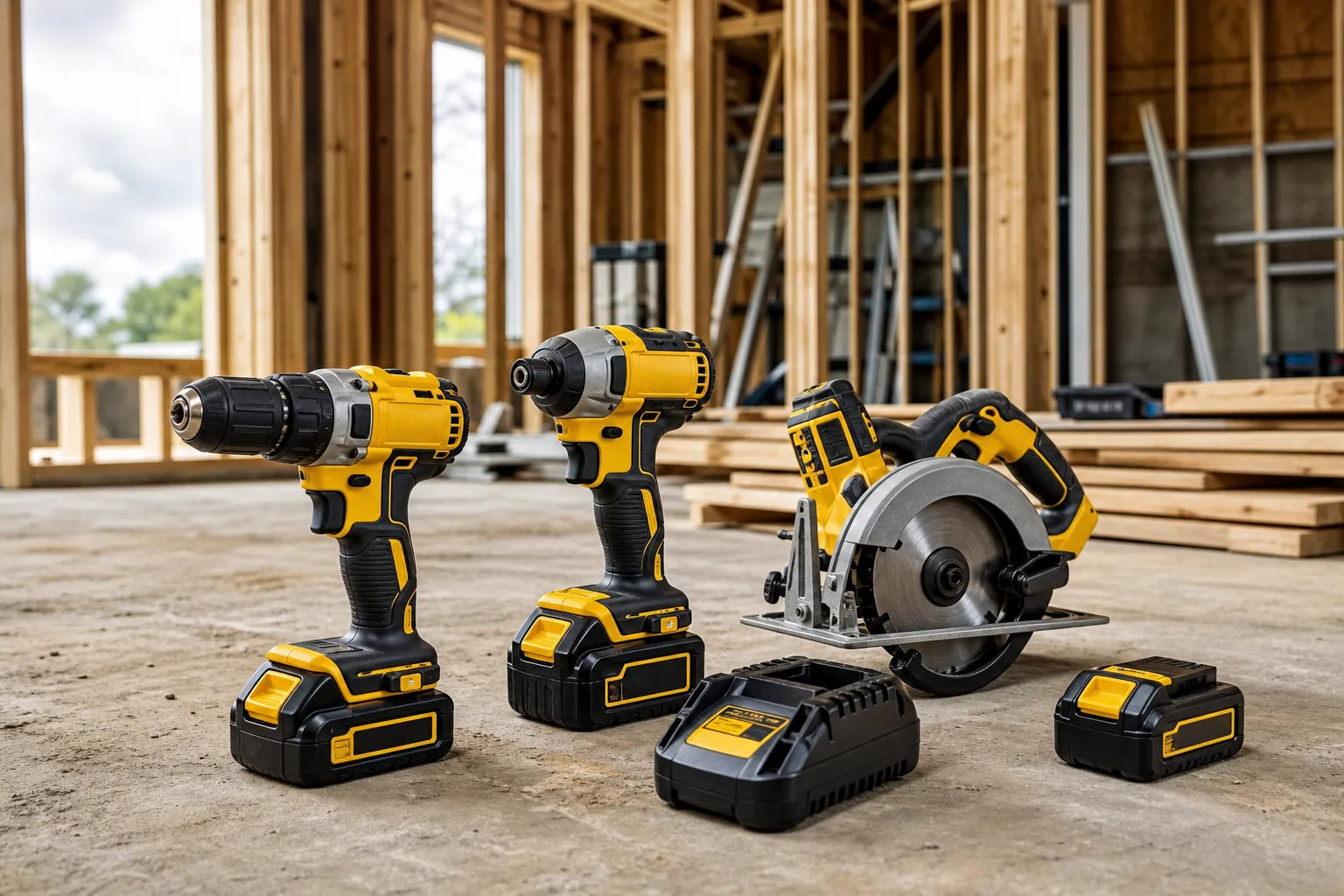
In recent years, lithium battery technology has transformed the power tools industry, providing significant advantages over traditional battery systems. These tools, such as the lithium battery vibrating rod, have become essential for contractors seeking reliable, efficient, and high-performance equipment. As the construction industry evolves, the importance of adopting advanced technologies, especially lithium battery tools, cannot be overstated. In my experience, making the shift to lithium battery tools not only enhances productivity but also improves overall job satisfaction. Contractors can significantly benefit from these innovative tools.
Key Specifications of Lithium Battery Tools
Battery Life and Performance
One of the standout features of lithium battery tools is their superior battery life and performance. These tools provide longer runtimes compared to their nickel-cadmium counterparts, allowing contractors to complete more tasks without frequent recharging. The energy density of lithium batteries ensures that tools maintain consistent power output, which is critical for demanding applications such as concrete work and heavy-duty drilling.
Weight and Portability
Portability is another significant advantage of lithium battery tools. They are generally lighter than traditional power tools, making them easier to handle and maneuver on job sites. This reduction in weight can lead to increased productivity, as contractors can work longer hours without fatigue. The compact design of lithium battery tools also allows for easier storage and transport, which is essential for contractors who frequently move between job sites.
Charging Time and Efficiency
Lithium battery tools also excel in terms of charging time and efficiency. Many lithium batteries can be charged to full capacity in under an hour, minimizing downtime for contractors. Fast charging capabilities mean that tools can be quickly re-energized during breaks, ensuring that work continues smoothly without significant interruptions.
Use Cases for Lithium Battery Tools
Applications in Construction
Lithium battery tools have a wide range of applications in the construction industry. From drilling and cutting to mixing and vibrating, these tools are versatile enough to handle various tasks. For instance, a lithium battery vibrating rod is ideal for concrete consolidation, ensuring that work is completed efficiently and to high standards. Contractors can rely on these tools for various construction tasks.
Versatility Across Different Projects
The versatility of lithium battery tools extends beyond construction. They can be used in landscaping, renovation, and maintenance projects. This adaptability makes them a valuable addition to any contractor’s toolkit, allowing for seamless transitions between different types of work.
Comparison with Traditional Tools
When comparing lithium battery tools with traditional tools, the advantages become clear. Traditional tools often suffer from limited battery life, longer charging times, and heavier weights, which can hinder productivity on job sites. In contrast, lithium battery tools offer reliability and efficiency that can significantly improve workflow.
Advantages Over Traditional Power Tools
Cost-Effectiveness in the Long Run
While the initial investment in lithium battery tools may be higher, they are often more cost-effective in the long run. The durability and extended lifespan of lithium batteries reduce the need for frequent replacements, leading to lower overall costs. Additionally, the enhanced efficiency can lead to increased job completion rates, ultimately boosting profitability for contractors.
Environmental Impact and Sustainability
Another critical advantage of lithium battery tools is their lower environmental impact. Lithium batteries are more energy-efficient and produce fewer emissions compared to traditional battery technologies. By switching to lithium battery tools, contractors can contribute to sustainability efforts and reduce their carbon footprint, aligning with the growing demand for environmentally responsible practices in the construction industry.
Safety Features and User Experience
Safety is paramount in construction, and lithium battery tools often come equipped with advanced safety features. These tools are designed to minimize risks associated with overheating and overcharging, enhancing user safety. Furthermore, the improved ergonomics and reduced weight of lithium tools contribute to a better overall user experience, allowing contractors to work more comfortably and efficiently.
Sourcing Lithium Battery Tools
Top Brands and Manufacturers
When sourcing lithium battery tools, it is essential to consider reputable brands and manufacturers. Leading companies in the power tools industry offer a range of high-quality lithium battery tools that meet the demands of contractors. Brands such as DeWalt, Makita, and Bosch are known for their reliability and performance.
Evaluating Supplier Reliability
Evaluating the reliability of suppliers is crucial when sourcing lithium battery tools. Contractors should look for suppliers with a proven track record of delivering quality products and excellent customer service. Checking reviews and seeking recommendations from industry peers can help in making informed decisions.
Cost Considerations
While the upfront cost of lithium battery tools may be higher, contractors should weigh this against the long-term savings and benefits. Investing in high-quality tools can lead to better performance and increased efficiency, ultimately resulting in greater profitability.
Implementation Strategies for Contractors
Training Staff on New Tools
Implementing lithium battery tools requires proper training for staff. Contractors should invest time in educating their teams on the features and benefits of these tools to maximize their potential. Training sessions can help ensure that all staff members are comfortable and proficient in using the new equipment.
Integrating with Existing Equipment
Contractors should also consider how lithium battery tools will integrate with their existing equipment. Ensuring compatibility can streamline operations and enhance productivity. It may be beneficial to consult with suppliers or manufacturers to understand the best practices for integration.
Maintenance and Support
Finally, establishing a maintenance and support plan is essential for the longevity of lithium battery tools. Regular maintenance can prevent issues and ensure that tools remain in optimal condition. Contractors should also familiarize themselves with warranty and service information to address any potential problems promptly.
Frequently Asked Questions
Common Concerns About Lithium Battery Tools
Contractors may have concerns about the longevity and performance of lithium battery tools. However, advancements in technology have made these tools highly reliable and efficient, often surpassing traditional options.
Troubleshooting Tips
In case of issues, contractors should refer to the manufacturer’s guidelines for troubleshooting common problems. Many manufacturers also offer customer support to assist with any technical difficulties.
Warranty and Service Information
Understanding warranty and service information is vital for contractors investing in lithium battery tools. Most reputable brands provide warranties that cover manufacturing defects, ensuring peace of mind for users.
Conclusion
Switching to lithium battery tools presents numerous advantages for contractors, from improved performance and portability to cost-effectiveness and environmental sustainability. By embracing this technology, contractors can enhance their operations, increase productivity, and maintain a competitive edge in the market. As the construction industry continues to evolve, the adoption of lithium battery tools will undoubtedly play a pivotal role in shaping the future of power tools.