
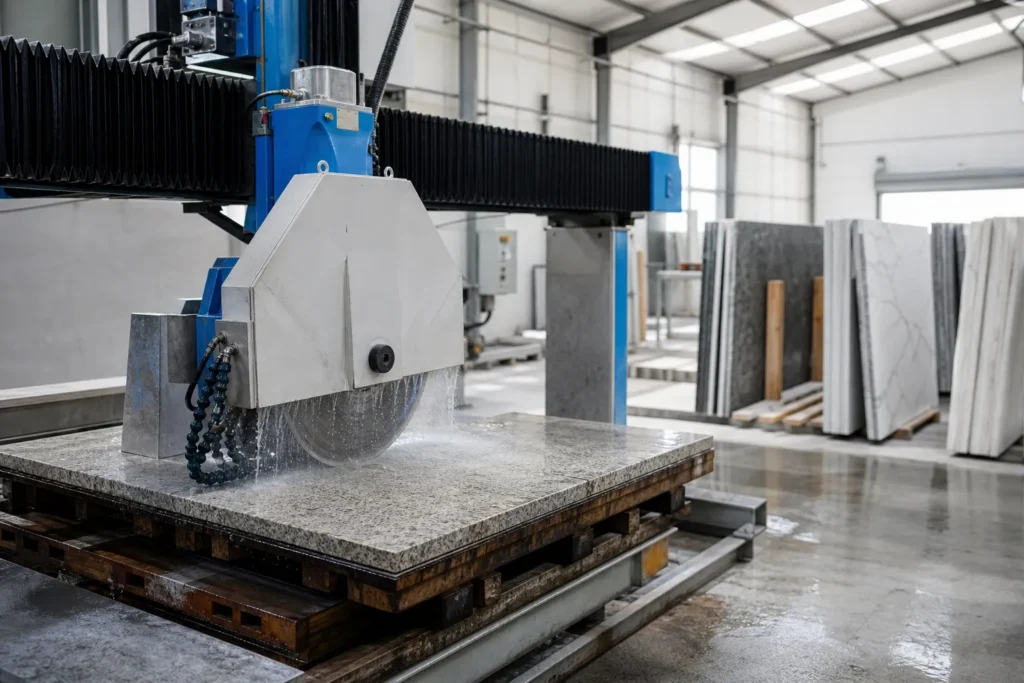
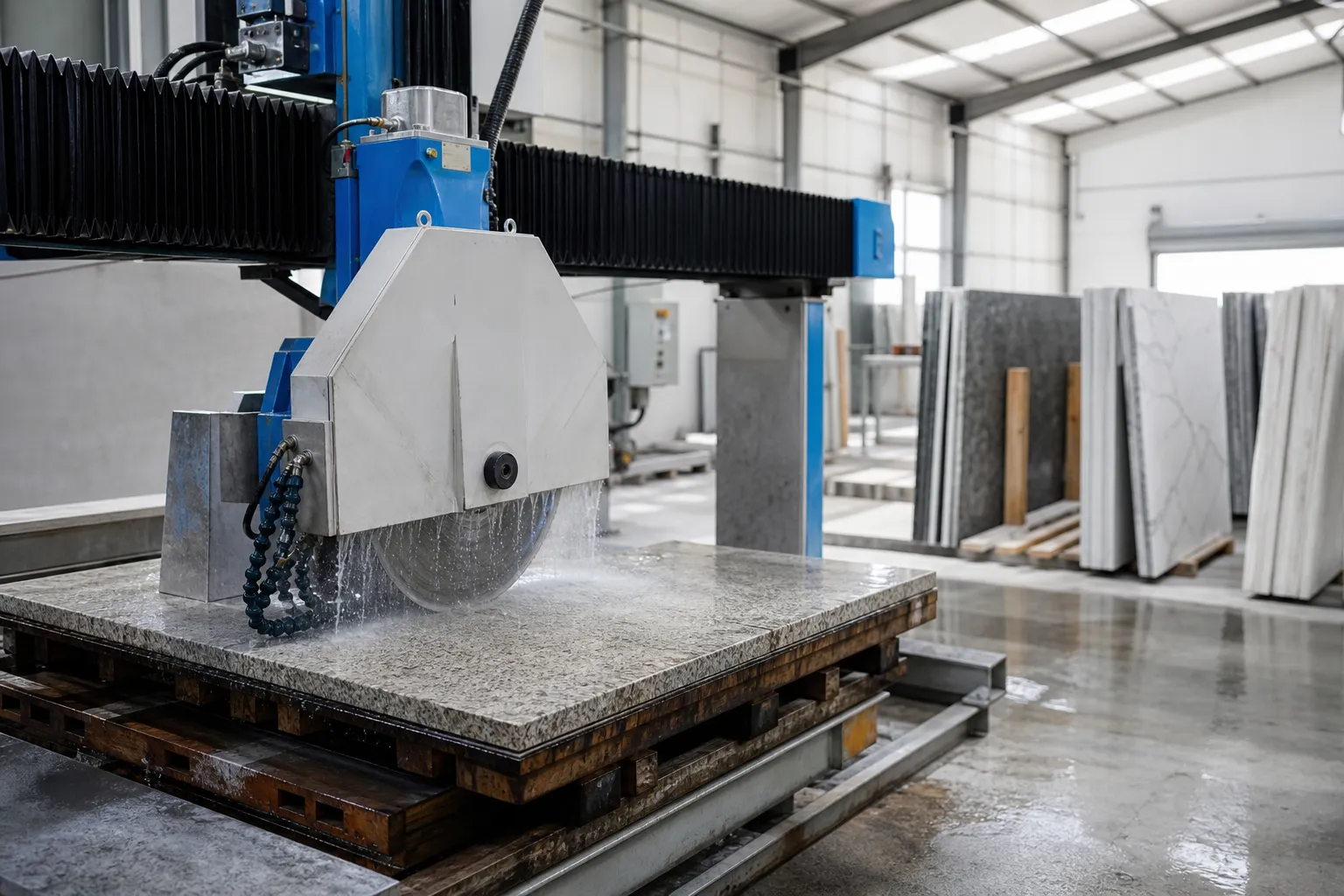
Choosing the right stone cutting machine is vital for businesses in the construction and landscaping sectors. These machines not only enhance productivity but also ensure precision in cutting a variety of stone materials. In my experience, investing in the right power tools can significantly elevate the quality of your work and increase client satisfaction. In this article, we will delve into the essential aspects of selecting a stone cutting machine tailored to your business needs, including key specifications, use cases, and maintenance tips.
Key Specifications to Consider
When selecting a stone cutting machine, several key specifications should guide your decision-making process:
- Blade Size and Type: The blade is the heart of any stone cutting machine. Larger blades can handle thicker materials, while smaller blades are more suitable for detailed work. Consider the type of stone you will primarily be cutting, as certain blades are designed for specific materials, such as granite, marble, or concrete.
- Power and Performance Ratings: The power of the machine, typically measured in horsepower or watts, directly affects its cutting capabilities. Higher power ratings often translate to faster cutting speeds and the ability to handle tougher materials. Ensure the machine you choose aligns with the performance requirements of your projects.
- Weight and Portability: Depending on your work environment, the weight and portability of the stone cutting machine can be significant factors. A lightweight machine is easier to transport, making it ideal for contractors who work on multiple job sites. Conversely, heavier machines may offer more stability and durability for extensive cutting tasks.
Use Cases for Stone Cutting Machines
Understanding the different applications of stone cutting machines can help you make an informed choice:
- Residential vs. Commercial Applications: Residential projects may require smaller, more versatile machines for tasks like patio installations or countertop fabrications. In contrast, commercial applications often demand larger machines capable of handling bulk materials and extensive cutting jobs.
- Types of Stone Materials: Different stone materials require specific cutting approaches. For instance, softer stones like limestone can be cut with less powerful machines, while harder stones like granite necessitate robust, high-performance machines.
- Specific Projects and Requirements: Consider the unique requirements of your upcoming projects. If you frequently work with intricate designs or custom shapes, a machine with advanced features such as adjustable cutting depths and angles will be beneficial.
Comparing Different Models
In the competitive landscape of stone cutting machines, several brands stand out:
- Top Brands in the Market: Brands such as Husqvarna, Makita, and DeWalt are renowned for their high-quality power tools for contractors. Researching these brands can provide insight into which models may best suit your needs.
- Price Range and Budget Considerations: Stone cutting machines can vary significantly in price, ranging from budget-friendly options to high-end models with advanced features. Determine your budget beforehand and weigh the cost against the machine’s specifications and capabilities.
- User Reviews and Ratings: Before making a purchase, seek out user reviews and ratings. Feedback from other contractors can provide valuable insights into the machine’s performance, reliability, and any common issues.
Sourcing and Procurement
Once you’ve identified the right stone cutting machine, the next step is sourcing:
- Where to Buy Stone Cutting Machines: Stone cutting machines can be purchased from specialized tool retailers, online marketplaces, or directly from manufacturers. Each option has its advantages, such as local support or competitive pricing.
- Evaluating Suppliers and Distributors: When selecting a supplier, consider their reputation, customer service, and the range of products they offer. A reliable distributor can provide you with not only the machine but also essential accessories and maintenance services.
- Warranty and Support Options: Ensure that the machine you purchase comes with a warranty and robust customer support. This can protect your investment and provide peace of mind in case of any issues.
Implementation and Maintenance
Proper implementation and maintenance are key to maximizing the lifespan and efficiency of your stone cutting machine:
- Setting Up Your Stone Cutting Machine: Follow the manufacturer’s guidelines for setup to ensure optimal performance. This includes calibrating the machine and ensuring all safety features are operational.
- Best Practices for Maintenance: Regular maintenance, such as cleaning the blades and checking for wear and tear, will enhance the machine’s longevity. Create a maintenance schedule to keep your equipment in top condition.
- Safety Considerations for Operators: Safety should always be a priority when operating power tools. Ensure that operators are trained in proper handling techniques and equipped with personal protective equipment (PPE) such as goggles, gloves, and ear protection.
Frequently Asked Questions
- Common Issues and Solutions: Some common issues with stone cutting machines include blade dullness and overheating. Regularly inspect blades and ensure proper cooling mechanisms are in place to mitigate these issues.
- How to Choose Between Manual and Automatic Machines: Manual machines offer greater control for intricate work, while automatic machines provide efficiency for larger jobs. Your choice should depend on your specific project needs and workflow.
- Tips for First-Time Buyers: For first-time buyers, it’s essential to research thoroughly, compare models, and consult with experienced contractors. Consider renting a machine before purchasing to assess its performance in real-world applications.
In conclusion, selecting the right stone cutting machine is a critical investment for contractors aiming to enhance their operational efficiency and project outcomes. By considering key specifications, understanding use cases, comparing models, and ensuring proper maintenance, businesses can make informed decisions that lead to successful project completions. For further insights, you can refer to this industry reference on stone cutting machines.