
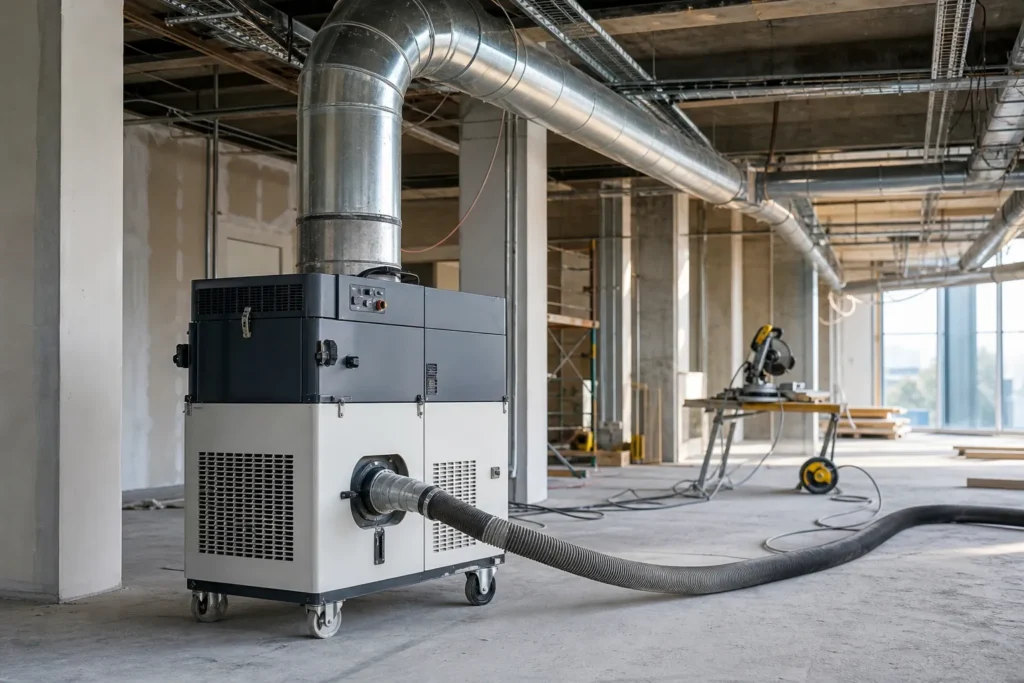
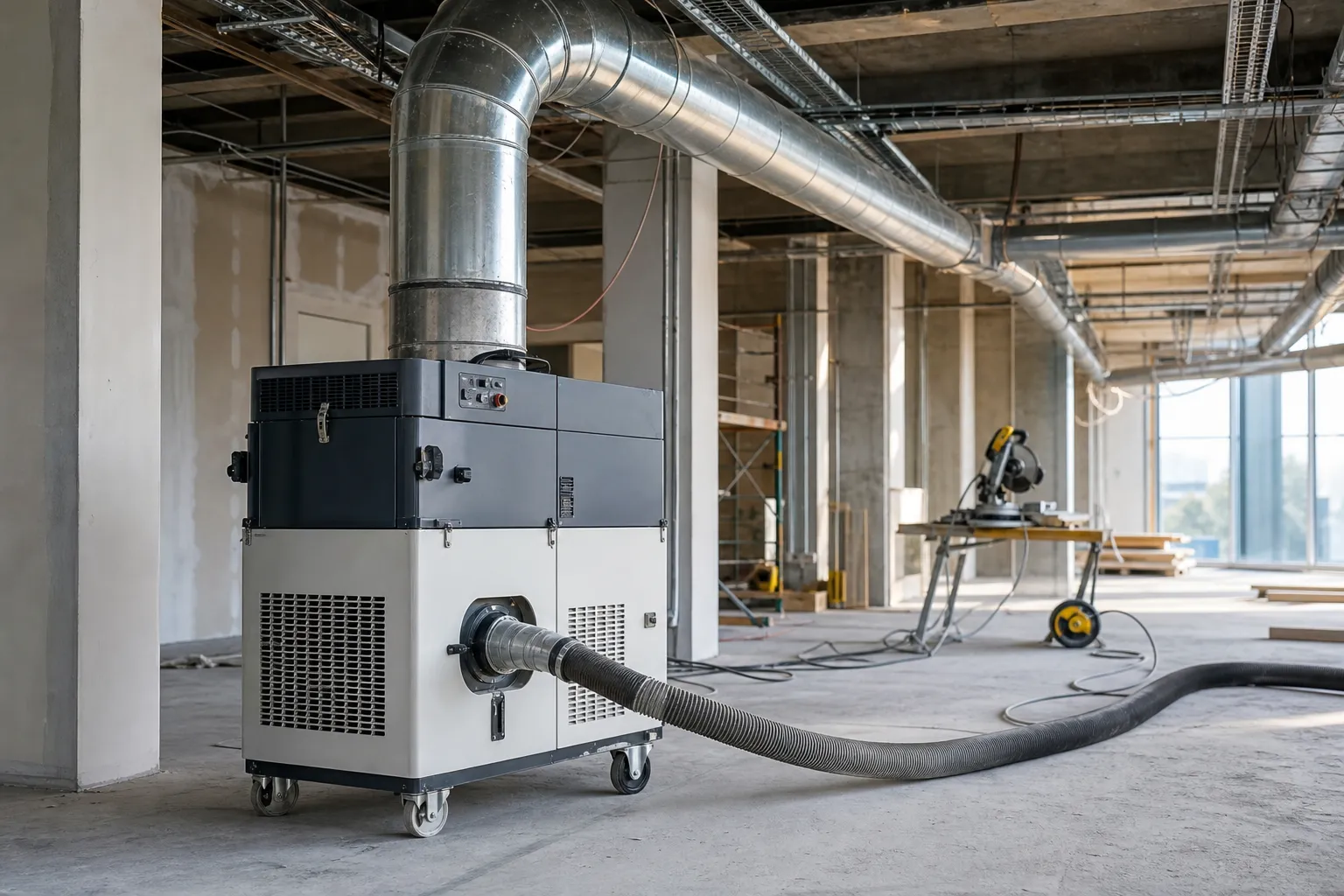
Implementing Effective Dust Extraction Systems for Safe Construction Sites
In the construction industry, ensuring a safe and healthy work environment is of utmost importance. One of the most significant hazards on construction sites is dust, which can lead to serious health issues for workers and adversely impact overall project productivity. Dust control is not merely a regulatory requirement; it is essential for the well-being of employees and the quality of the work being performed.
This is where effective dust extraction systems become invaluable. These systems are specifically designed to capture and eliminate airborne dust particles, ensuring cleaner air and a safer workspace.
Dust extraction systems are specialized tools that utilize various technologies to collect dust generated by construction activities. In my experience, implementing these systems allows construction companies to enhance operational efficiency while complying with health and safety regulations. For further details on various construction tools, visit Products – Yongkang Zhanxuan tools and Trade Co., Ltd..
Specifications of Dust Extraction Systems
When considering a dust extraction system, understanding the different types available is essential. The primary categories include:
– **Portable Dust Extractors**: These are mobile units that can be easily transported around the construction site. They are ideal for small to medium-sized projects where flexibility is crucial.
– **Stationary Dust Extraction Systems**: These systems are fixed installations that serve larger areas or specific machinery. Typically, they are more powerful and suited for extensive operations.
Key features to consider when selecting a dust extraction system include:
– **Filtration Efficiency**: High-efficiency particulate air (HEPA) filters are vital for capturing fine dust particles.
– **Airflow Rate**: This metric indicates how much air the system can process, impacting its overall effectiveness.
– **Noise Level**: Considering noise levels is important to maintain a comfortable working environment.
Performance metrics such as filtration efficiency, airflow rates, and the system’s ability to handle various types of dust should guide your selection process.
Use Cases for Dust Extraction in Construction
Dust extraction systems find applications across various types of construction projects:
– **Residential Construction**: In homes, dust from cutting, sanding, or drilling can pose health risks for both workers and future occupants. Implementing a dust extraction system can significantly mitigate these risks.
– **Commercial Construction**: Larger projects often produce substantial amounts of dust. Effective dust extraction systems can help maintain air quality and meet compliance standards, thereby protecting the health of workers and the public.
– **Industrial Applications**: In manufacturing and industrial settings, dust can accumulate quickly, leading to unsafe conditions. Dust extraction systems are essential for maintaining a clean environment and ensuring compliance with occupational safety regulations. For further insights, refer to this industry reference.
Comparing Different Dust Extraction Systems
When choosing between dust extraction systems, it’s vital to compare portable versus stationary systems. Portable systems offer flexibility and are suitable for smaller tasks, whereas stationary systems provide higher efficiency and are better suited for larger operations.
Brand comparisons can also reveal significant differences in performance and reliability. Leading brands often offer advanced features and superior customer support, which can be crucial for long-term use.
Cost versus efficiency analysis is another important factor. While some systems may have a higher upfront cost, their efficiency and durability can lead to lower long-term operating costs. From what I have seen, investing in a robust dust extraction system can save money in health-related expenses and compliance fines.
Sourcing Dust Extraction Systems
Finding reliable suppliers is critical when sourcing dust extraction systems. Look for companies with a proven track record in the construction industry and those that offer a variety of systems to meet different needs.
Evaluating supplier credentials is vital. Check for certifications, customer reviews, and case studies that demonstrate the effectiveness of their systems. Understanding warranty and support options is also crucial; a good warranty can protect your investment and ensure you receive assistance if issues arise.
Implementation of Dust Extraction Systems
Once a dust extraction system is sourced, proper implementation is key to its effectiveness. Installation best practices include ensuring that the system is positioned correctly relative to dust-generating tools and that all connections are secure.
Training for site managers and workers on how to use the system effectively is essential. This training should cover operational procedures, maintenance routines, and safety protocols to maximize the system’s benefits.
Regular maintenance and upkeep are also crucial. This includes cleaning filters, checking for leaks, and ensuring that all components are functioning correctly. A well-maintained system will perform better and have a longer lifespan.
Frequently Asked Questions
Common Concerns About Dust Extraction: Many construction professionals wonder about the effectiveness of dust extraction systems. Properly installed and maintained systems can significantly reduce airborne dust levels.
Regulatory Compliance Issues: Compliance with local and national regulations regarding dust control is mandatory. Implementing a dust extraction system can help meet these requirements and avoid penalties.
Troubleshooting Common Problems: Issues such as reduced airflow or increased noise can occur. Regular maintenance and prompt attention to any anomalies can prevent more significant problems down the line.
Conclusion
Implementing effective dust extraction systems on construction sites is not merely a best practice; it is a necessity for ensuring worker safety and compliance with health regulations. By understanding the specifications, use cases, and implementation strategies, construction companies can significantly enhance their operational efficiency and create a safer work environment. I believe that investing in the right dust extraction system not only protects workers but also contributes to the long-term success of construction projects.